
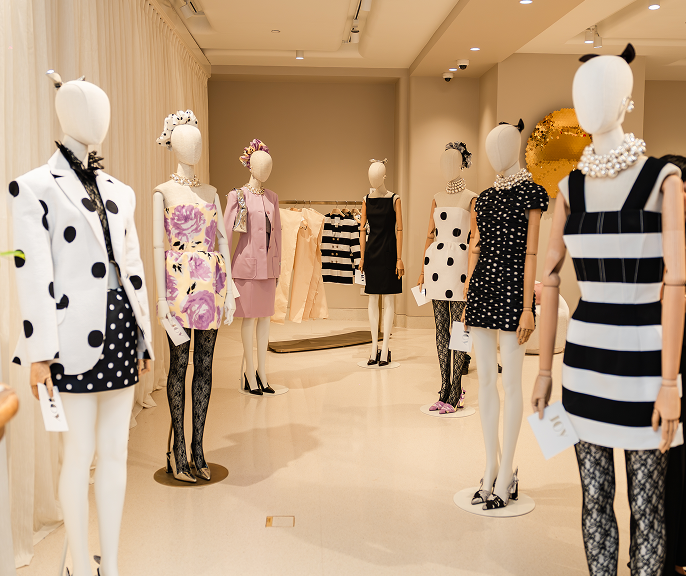
From the avant-garde experiments of Maison Margiela to the structured elegance of Balmain, we trace the history and modern evolution of France’s most iconic labels
The world has looked toward France for style inspiration since time immemorial. From being home to Lanvin, one of the oldest couture houses, to constantly playing an integral role in shaping fashion’s zeitgeist, France remains the undeniable mecca of savoir-faire. It has served, quite simply, as the blueprint for style as we know it.
This adoration for the Gallic aesthetic isn’t just about the heavyweights of Avenue Montaigne; it’s about a culture that understands the nuance of ‘très chic’ at every level. It’s a beautifully layered fashion ecosystem, where heritage and high-street coexist like the perfect contemporary sundae. We delve into 11 French brands that serve as the status quo for true French style.
Givenchy
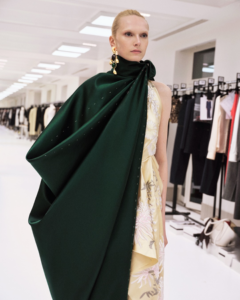
Founded in 1952, Givenchy is the label that turned “grace” into a global currency. The house was famously cemented in pop-culture history through Hubert de Givenchy’s friendship with Audrey Hepburn, a partnership that birthed the “Little Black Dress” archetype. Today, the brand is navigating a sophisticated pivot. Under Sarah Burton’s leadership, the focus has returned to sharp, subversive tailoring—moving away from high-octane streetwear and back toward a refined, commanding elegance.
Maison Margiela
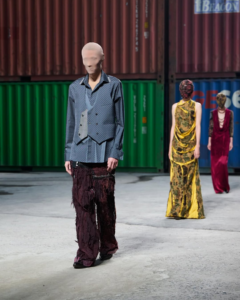
Established in 1988, Maison Margiela was built on the philosophy of deconstructionism. By exposing the guts of a garment, linings, basting stitches, and raw seams, Martin Margiela challenged the very definition of luxury. The brand remains the ultimate insider label. Now, with Glenn Martens at the helm, the house is expected to merge its conceptual, avant-garde roots with Martens’ signature flair for experimental construction and radical creativity.
Lanvin
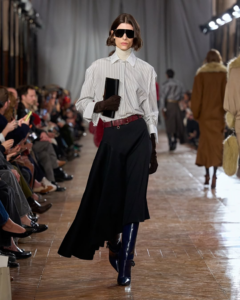
As the oldest French house still in operation, Lanvin’s DNA is surprisingly intimate. Founded in 1889 by Jeanne Lanvin, it began with clothes for her daughter, Marguerite, a bond immortalized in the brand’s logo. Today, Lanvin is reclaiming its status as a purveyor of poetic luxury. Under the creative direction of Peter Copping, the current focus lies in ultra-rich fabrics and a refined aesthetic that leans heavily into its history of couture craftsmanship, offering a softer alternative to the rigid trends of the season.
Balmain
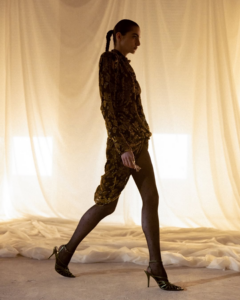
Pierre Balmain was one of the “Big Three” of post-war French fashion. His “Jolie Madame” look defined the 1950s with architectural skirts and tiny waists, signaling a return to unapologetic luxury. With Antonin Tron now at the helm, the house is entering a new chapter. Tron, known for his technical precision and focus on fluid movement, is expected to bring a more refined, athletic elegance to Balmain’s historical grandeur, balancing the house’s signature sharp tailoring with a fresh, modern ease.
Patou
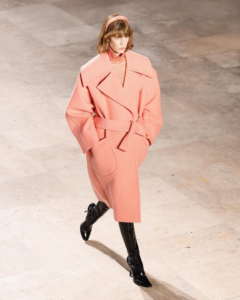
Patou’s history can be traced all the way back to 1914, when Jean Patou founded the house and worked primarily on creating unrestrictive clothing for women. The genius behind the legendary tennis skirt, Patou also created ‘Joy,’ once the world’s most expensive perfume. The house lay dormant for decades until being revived in 2018. Patou focuses on whimsical, voluminous designs and sustainable production. It brings a sense of theater and charm to everyday dressing. Up until early 2026, Patou was under the stewardship of Guillaume Henry and flourished under it. The house has yet to announce his successor, and we can’t wait to find out who it is.
Christian Louboutin
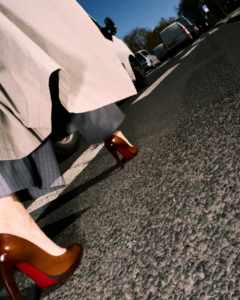
Launched in 1991, Christian Louboutin’s “Aha!” moment came when he saw his assistant painting her nails red and decided to apply the color to the soles of his shoes. And the rest, as they say, is history. Beyond the iconic ‘Pigalle’ and ‘So Kate’ stilettos, the brand has successfully expanded into a full lifestyle universe. From the spikes of his sneaker line to the sculptural “beauté” collection, Louboutin maintains a consistent visual language of provocation and playfulness.
Isabel Marant
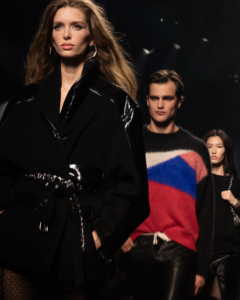
Since 1994, Isabel Marant has been the architect of the ‘Parisian Cool Girl’ aesthetic, mixing a rock ‘n’ roll attitude with bohemian spirit. Marant remains the queen of effortless, off-duty style. Her clothes are designed for movement, making her a favourite for the modern Indian woman who wants to look chic but unstudied while navigating a busy social calendar.
Courrèges
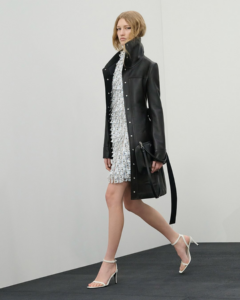
André Courrèges was the architect of the 1960s “Space Age” look. He swapped silk for vinyl and heels for “go-go boots,” creating a futuristic vision of fashion. Under Nicolas Di Felice, Courrèges is the hottest brand in Paris again. By reviving its sleek 60s silhouettes with a modern, club-culture edge, it has captured the Gen-Z and Millennial market entirely.
Ami Paris
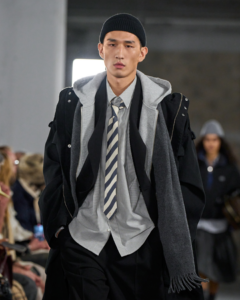
Founded in 2011 by Alexandre Mattiussi, AMI (meaning “friend”) was created to offer “real clothes for real people,” high-fashion quality without the intimidating couture price tag. Ami has grown into a global powerhouse, beloved for its gender-neutral approach. It captures the spirit of a relaxed, modern Paris; think oversized coats and perfect knits.
Longchamp
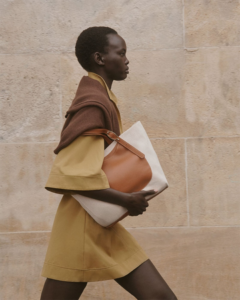
Founded in 1948 by Jean Cassegrain, Longchamp began as a producer of leather-wrapped luxury smoking pipes before expanding into small leather goods and travel bags. While famous for its utility, Longchamp has successfully pivoted into a high-fashion contender with ready-to-wear collections that emphasize French “art de vivre” (the art of living). The brand’s flagship bag, Le Pliage continues to be a hot favourite globally, with 10 bags being sold globally every minute.
A.P.C. Paris
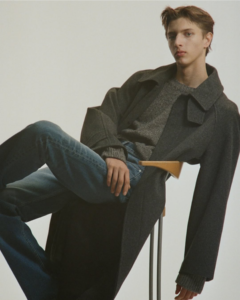
Founded in 1987 by Jean Touitou, A.P.C. (Atelier de Production et de Création) rose to fame as a reaction against the over-the-top decadence of the 80s, focusing on minimalism and raw denim. A.P.C. remains the gold standard for understated chic. It doesn’t chase trends, offering instead a wardrobe of elevated basics that look better the more they are worn.